ZENO
PRODUCT DESIGN
Missions
/
Artemis-2
Active
Configurations
Rules
Notifications
Settings
Search...

Satellites
+ Add Satellite
TERRA-5
SAT-2847
Nominal
JADE-8
SAT-8888
unresolved
Critical
AURA-3
SAT-6382
unresolved
Degraded
EROS-9
SAT-4828
Nominal
MIFFY-2
SAT-4991
Nominal
SPHINX-1
SAT-5176
Nominal
Issues
Predictive
Current
Past
Open
Nov 29, 14:30 UTC
Power Subsystem Anomaly
Voltage fluctuations detected in primary power bus. System operating on backup power.
JADE-8
SAT-8888
In Progress
Nov 28, 23:19 UTC
Thermal Control System Warning
Temperature fluctuation detected in radiator panel
AURA-3
SAT-6382
Open
Nov 28, 22:45 UTC
Communication Link Degradation
Signal strength below threshold during last pass
AURA-3
SAT-6382
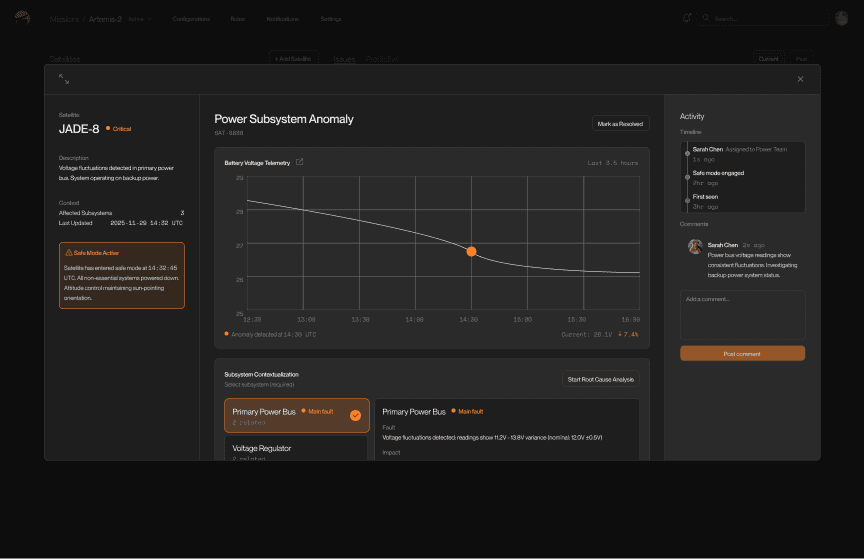
Satellite
JADE-8
Critical
unresolved
Description
Voltage fluctuations detected in primary power bus. System operating on backup power.
Context
Affected Subsystems
3
Last Updated
2025-11-29 14:32 UTC
Safe Mode Active
Satellite has entered safe mode at 14:32:45 UTC. All non-essential systems powered down. Attitude control maintaining sun-pointing orientation.
Power Subsystem Anomaly
SAT-8888
Mark as Resolved
Battery Voltage Telemetry
Last 3.5 hours
29
28
27
26
25
12:30
13:00
13:30
14:00
14:30
15:00
15:30
16:00
Anomaly detected at 14:30 UTC
Current: 26.1V
7.4%
Subsystem Contextualization
Select subsystem (required)
Start Root Cause Analysis
Primary Power Bus
Main fault
2 related
Primary Power Bus
Main fault
Fault
Voltage fluctuations detected: readings show 11.2V - 13.8V variance (nominal: 12.0V ±0.5V)
Impact
Primary power bus instability is causing system-wide voltage irregularities, triggering backup power activation.
Connections (2)
Voltage Regulator, Battery Management System
Activity
Timeline
Sarah Chen
Assigned to Power Team
1s ago
Safe mode engaged
2hr ago
First seen
3hr ago
Comments

Sarah Chen
2s ago
Power bus voltage readings show consistent fluctuations. Investigating backup power system status.
Add a comment...
Post comment
ZENO
Satellite operations copilot for incident management
ROLE
Product Designer
TIMELINE
October - December 2025
8 weeks
SKILLS
Product strategy, UX research, Interaction design, Information architecture, Data visualization, Systems thinking, Prototyping, Cross-functional collaboration
TOOLS
Figma
PROBLEM STATEMENT
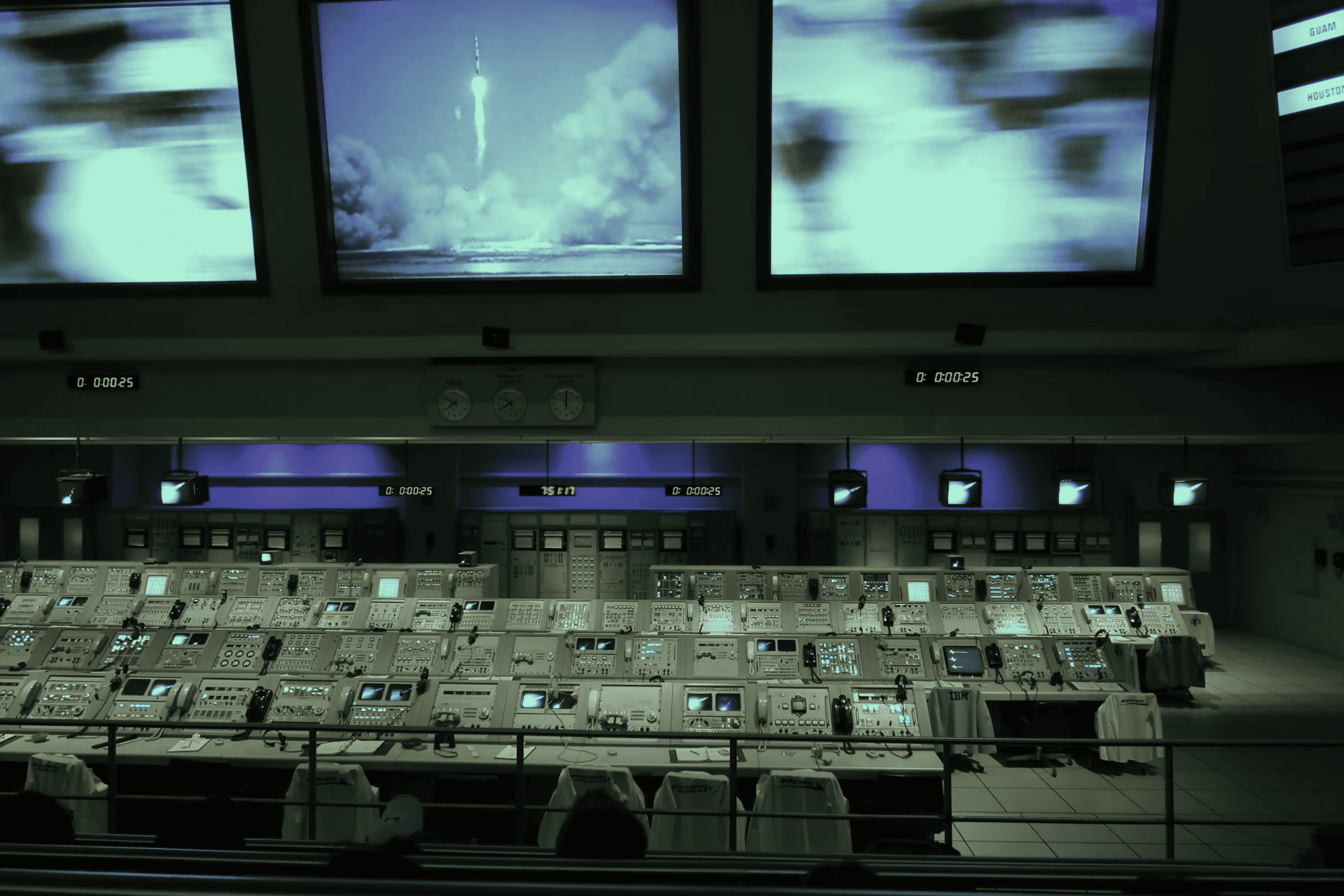
Satellite operators often spend days to weeks manually debugging issues across fragmented dashboards and scattered documentation, leading to prolonged outages, lost revenue, and making it difficult for growing satellite companies to maintain fleet health and scale operations without continuously adding more ops headcount.
RESEARCH & DISCOVERY









DESIGN PROCESS
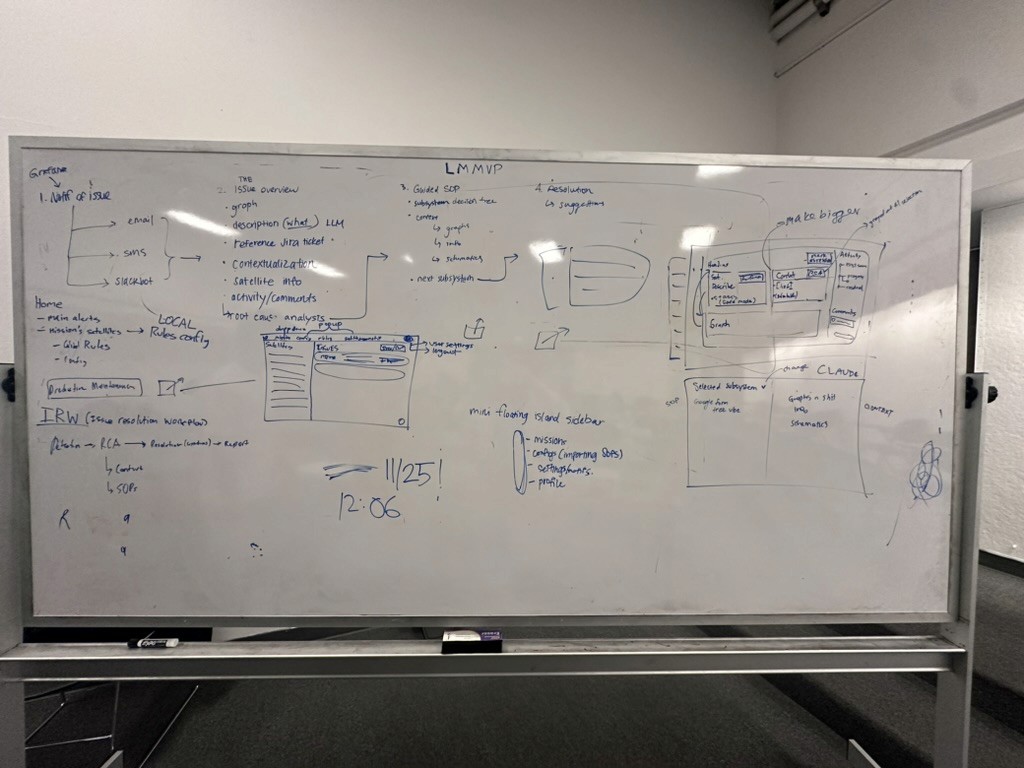
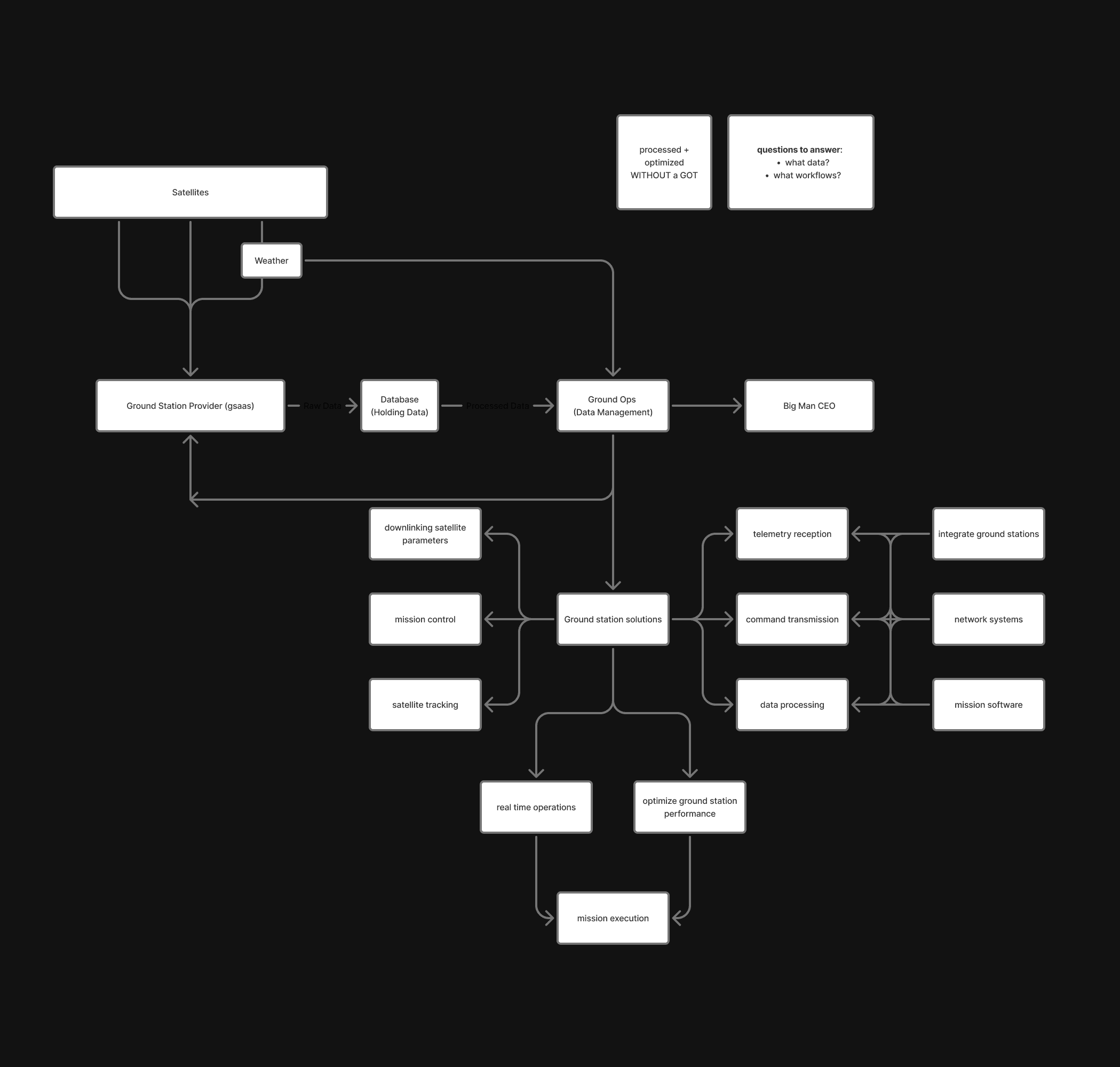
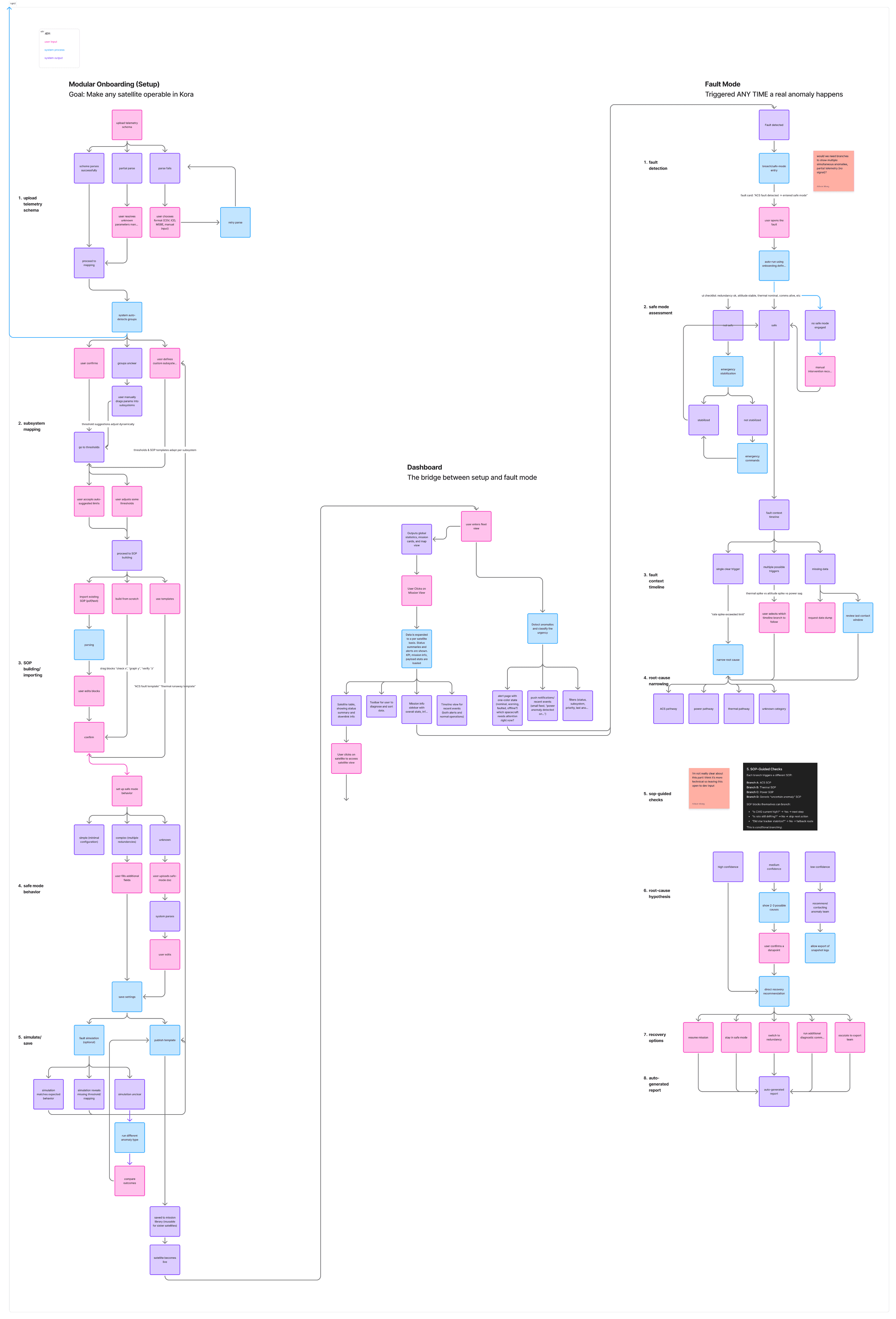
Mapped existing workflows from alert → anomaly → RCA → documentation based on expert interviews
Identified key pain points in current tools (fragmented dashboards, manual log-diving, undocumented fixes)
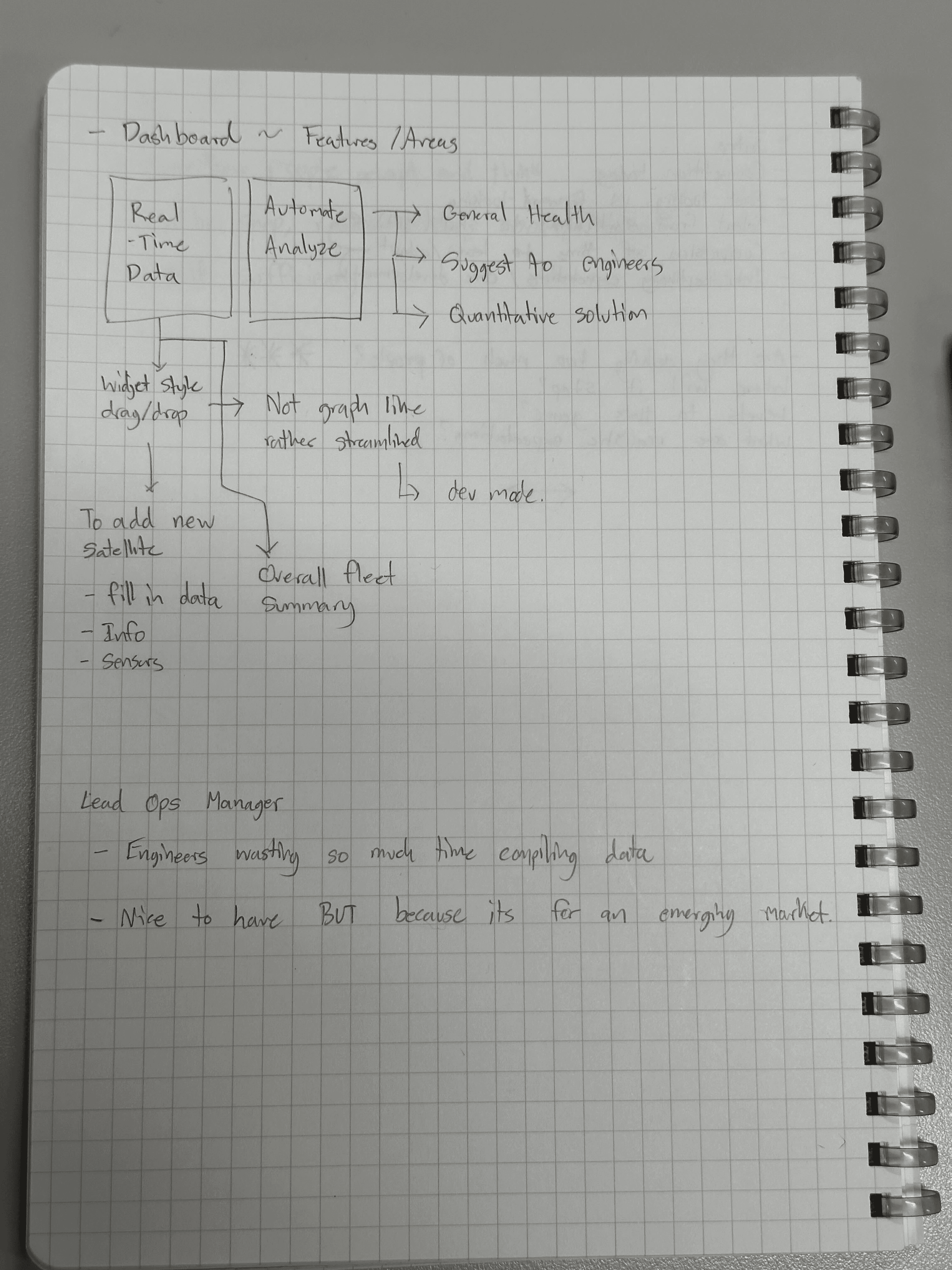
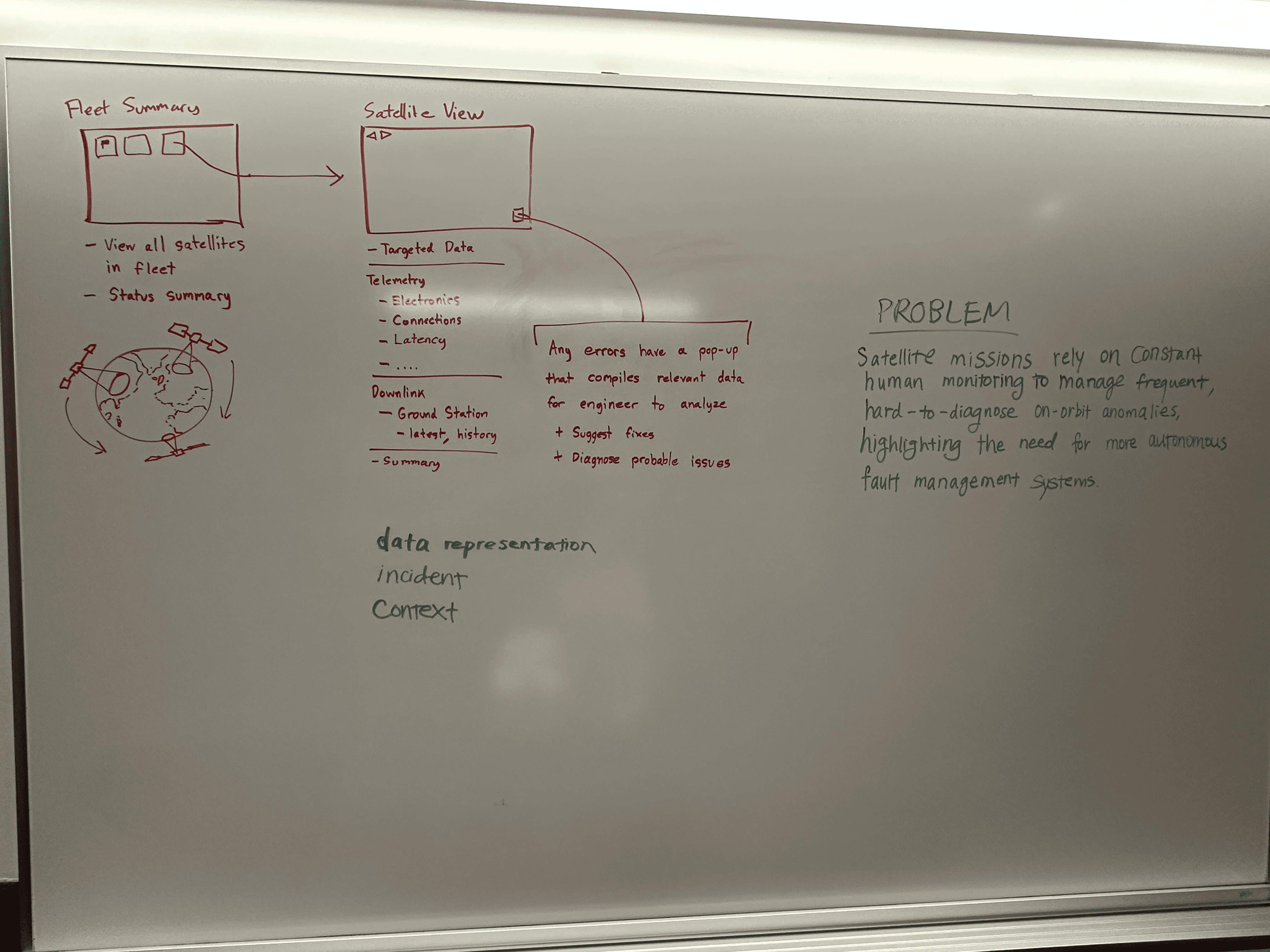
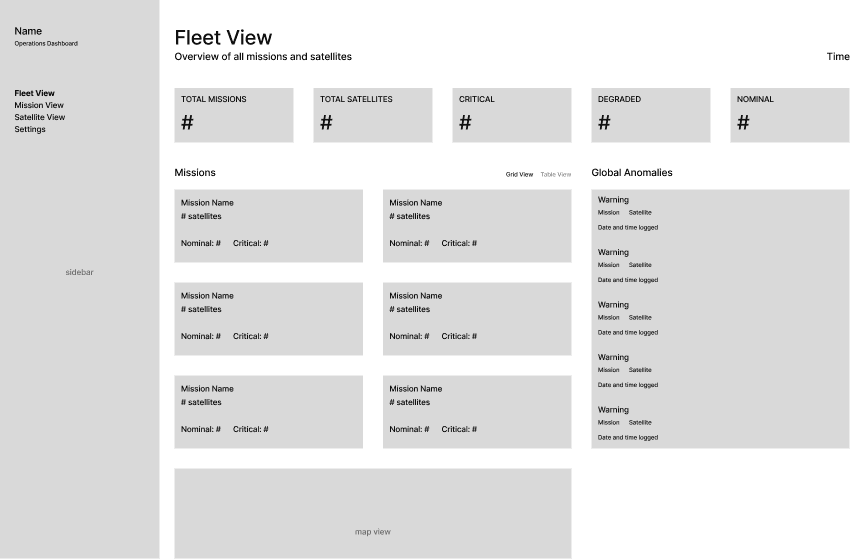
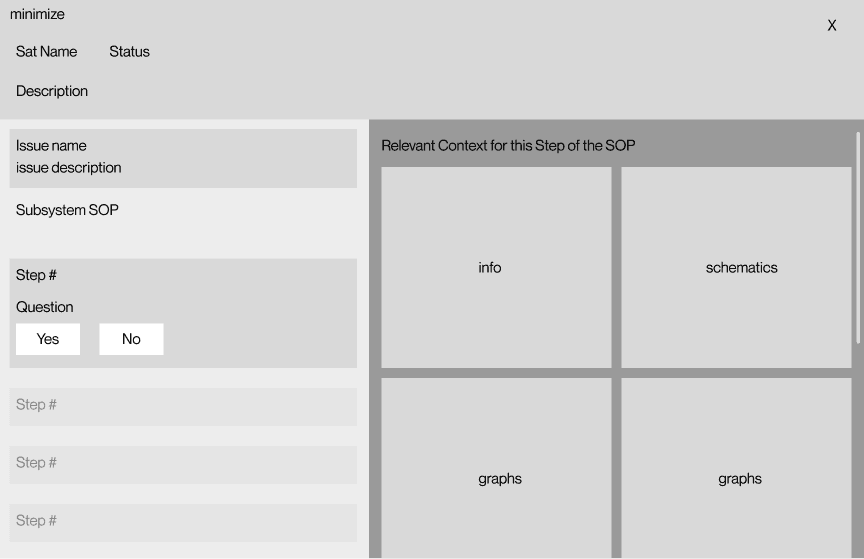
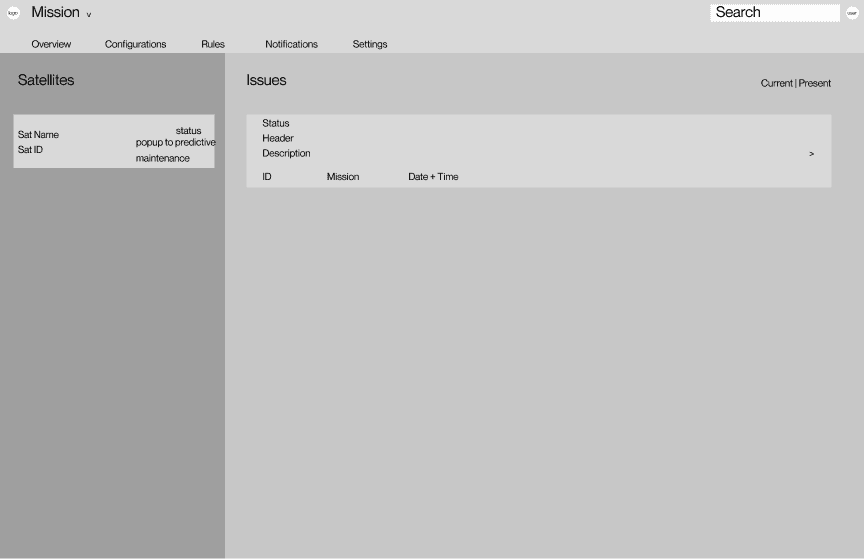
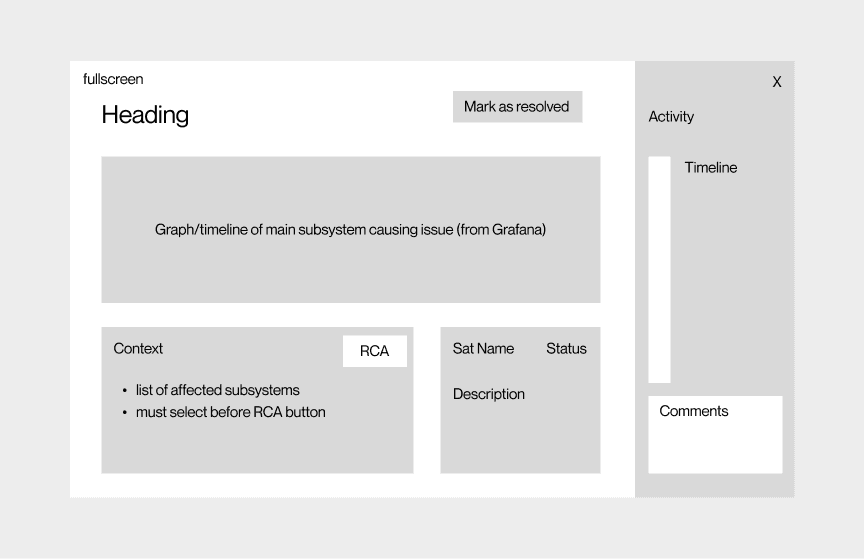
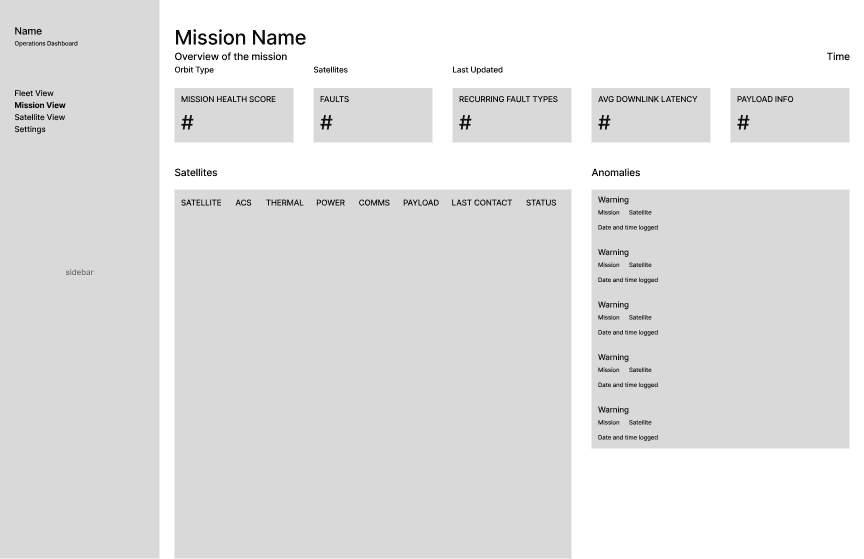
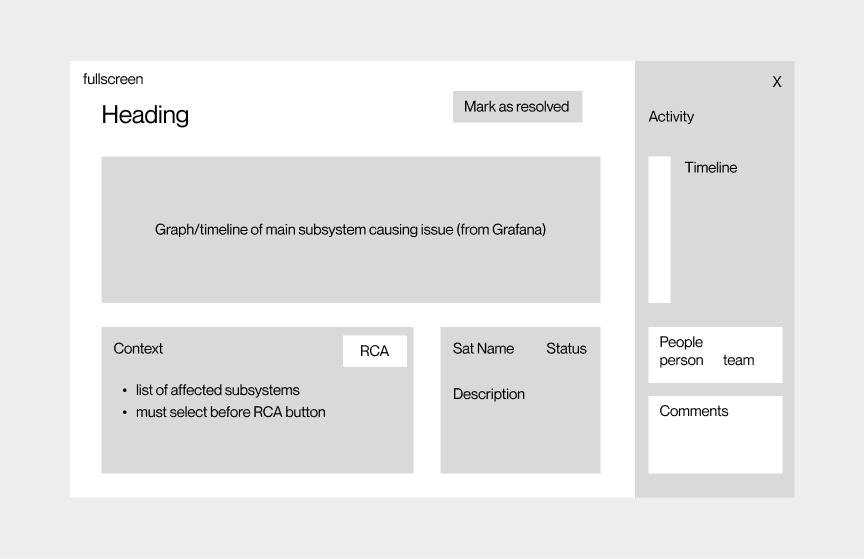
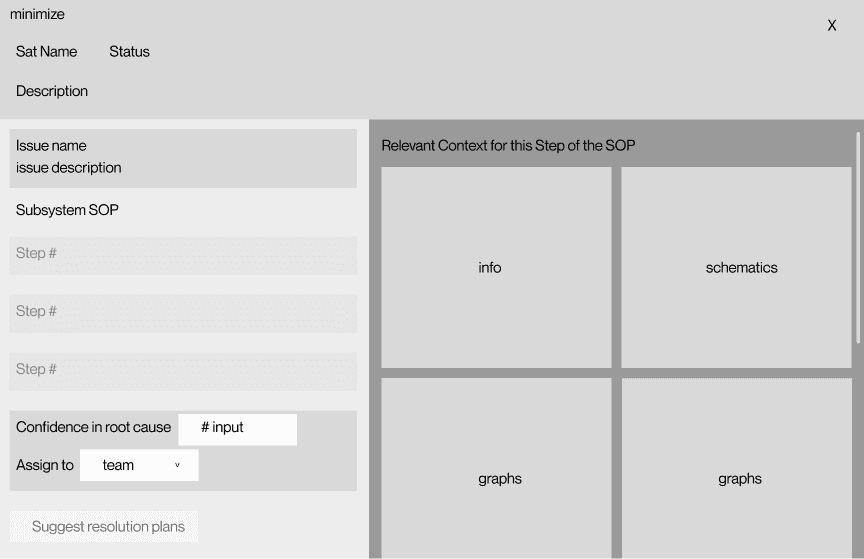
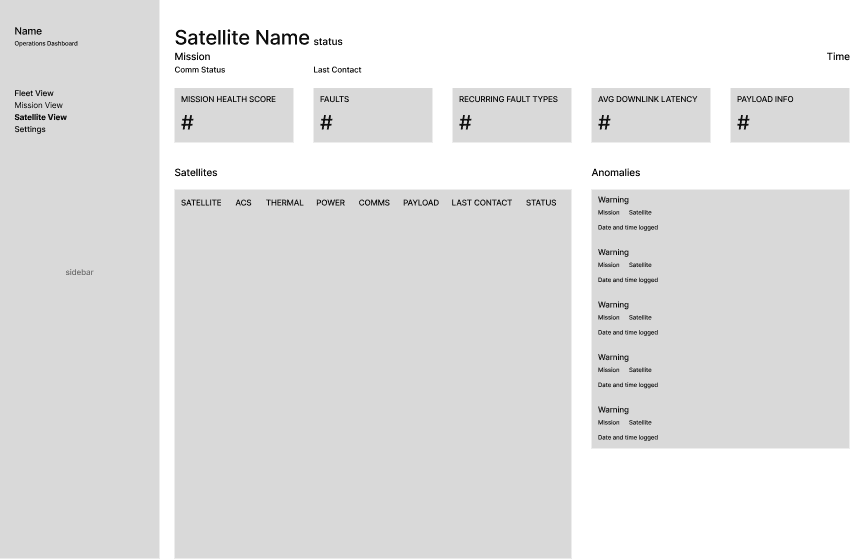
Sketched low-fidelity flows for incident triage, anomaly deep-dives, subsystem checklists, and predictive maintenance
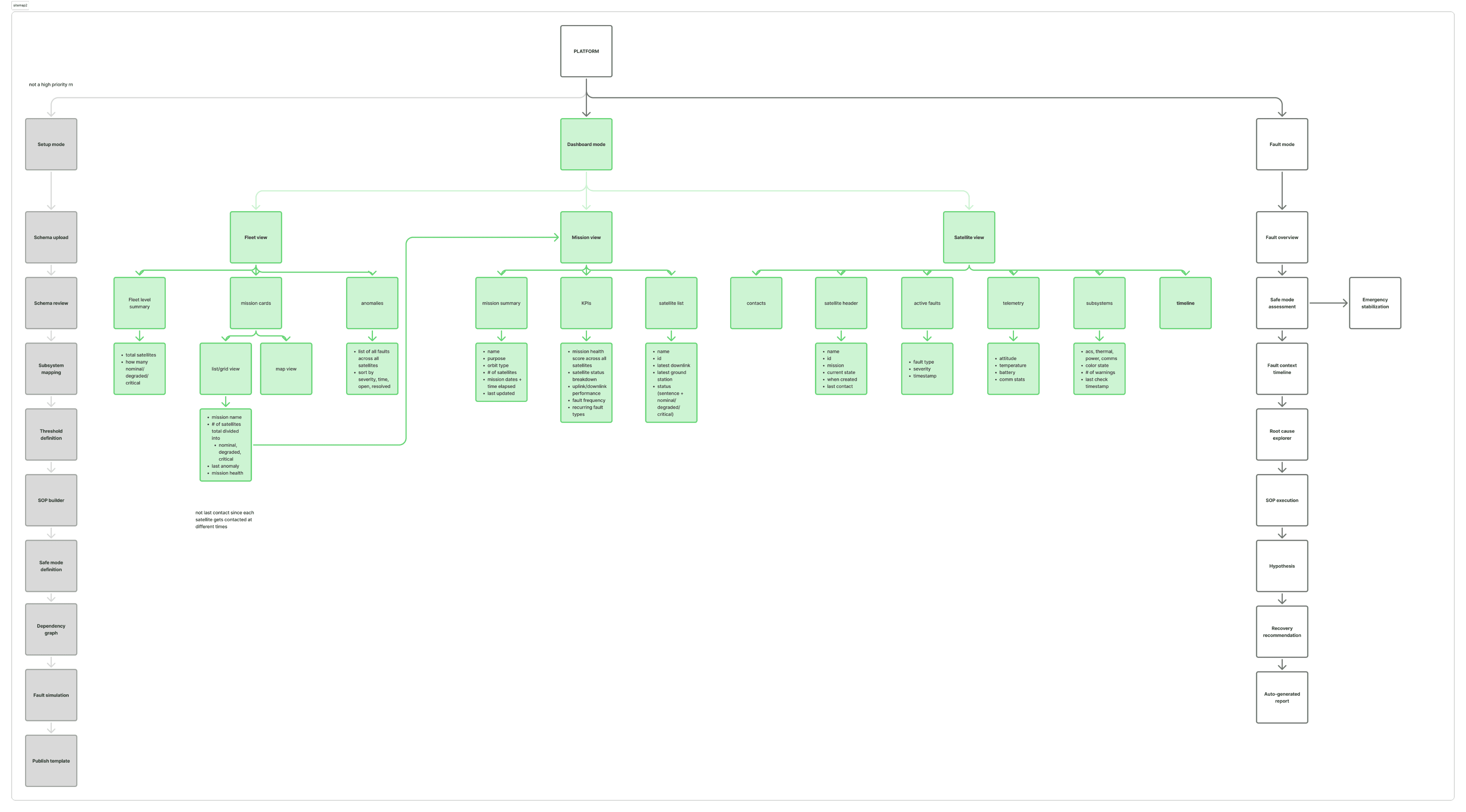
Defined the information architecture linking alerts, anomalies, satellites, and SOPs into a single model
Iterated on dashboard and detail views (alerts, anomaly detail, RCA flow) with feedback from engineers and industry reviewers
Built high-fidelity prototypes to test clarity, cognitive load, and end-to-end workflows
Delivered interaction patterns and implementation-ready specs/V0 prompts to hand off to the founding team
KEY DESIGN DECISIONS
Modeling ops around Alerts → Anomalies → SOP-based RCA instead of generic “dashboards,” so the product mirrors how incidents actually unfold.
Single collaborative workspace on top of the existing stack (not a replacement ground system), pulling in telemetry, logs, and docs from multiple tools.
Context-rich anomaly views that surface affected subsystems, recent commands, and related issues in one place to reduce log-diving.
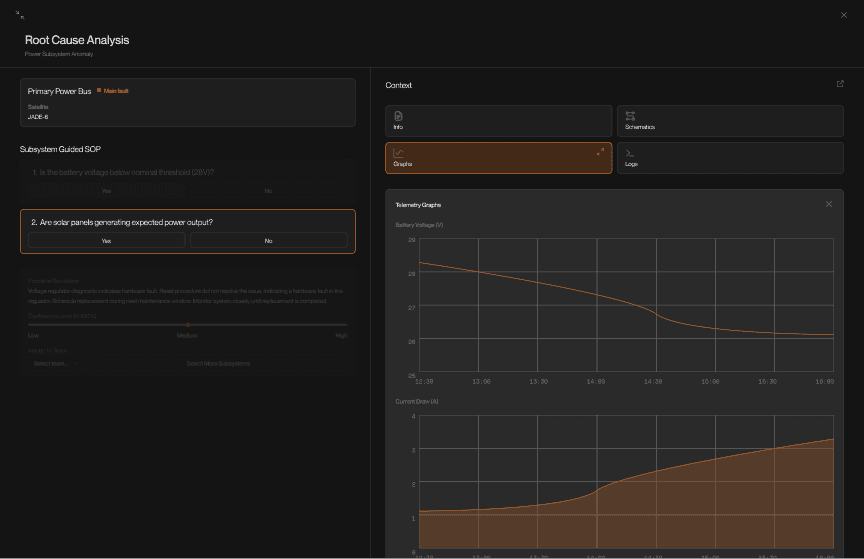
Checklist-driven RCA flow that guides engineers through subsystem checks and prompts them to record what they tried, turning one-off fixes into reusable SOPs.
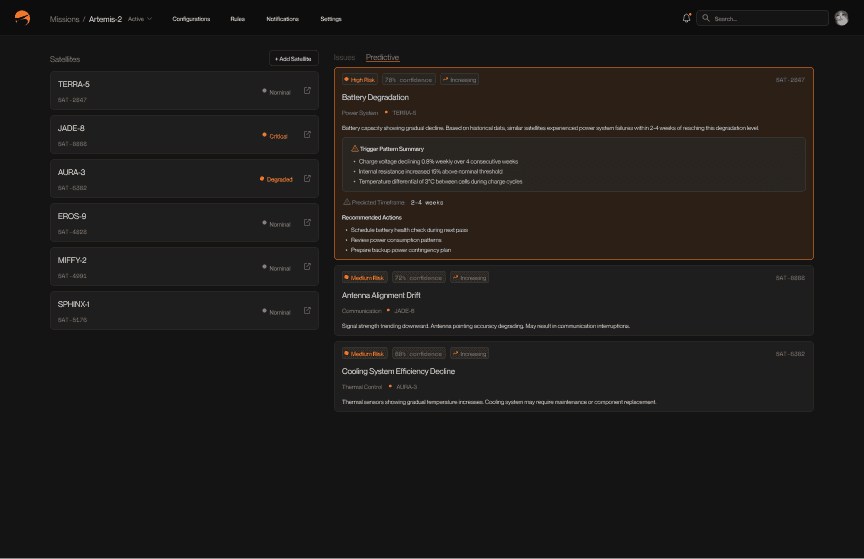
Predictive maintenance cards that pair ML deviation detection with clear impact, confidence, and recommended next actions, avoiding “black box” AI.
FINAL SOLUTION
Description
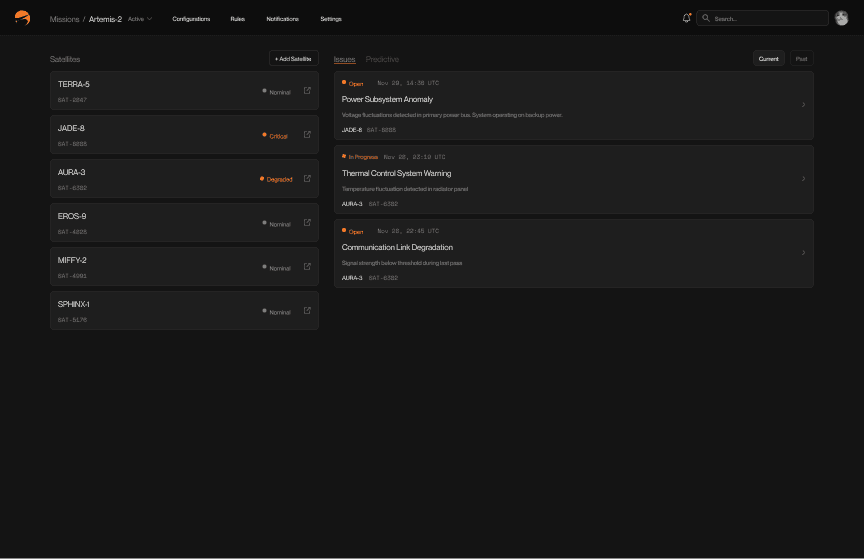
The final solution is a web-based satellite operations copilot that sits on top of existing ground systems, giving operators a single workspace for alerts, anomalies, RCA, and documentation. The experience is designed for 2 AM incident moments: operators land in a focused issue view, see context from multiple subsystems, move through guided checklists, and log what they tried so it’s reusable the next time.
Key Features
Unified incident workspace: Central place for alerts, anomalies, and SOPs instead of jumping across multiple dashboards.
Contextual anomaly views: Affected subsystems, recent commands, related historical issues, and telemetry patterns in a single screen.
SOP-based RCA checklists: Guided flows that walk engineers through subsystem checks and capture each step for future reuse.
Predictive maintenance cards: ML-driven deviation detection paired with clear impact, likelihood, and recommended actions.
Auto-generated documentation: Every resolved issue can be converted into a structured checklist or playbook with minimal extra work.
Design Deliverables
End-to-end flows and high-fidelity screens for:
Alerts overview and issue creation
Anomaly detail and subsystem drill-down
RCA checklist experience
Predictive maintenance and health views
Pitch deck for LavaLab F’25 Demo Day
allison wong
Let’s chat! →
© 2025 Allison Wong